Why Business Card Design Still Matters in a Digital World

In today's world, where connections are made through social media, websites, emails, and mobile apps, many business owners are left pondering the relevance of printed business cards. Questions like whether business cards are still effective, why they hold significance, and if they will remain important in 2026 are becoming more prevalent. Despite the shift towards digital communication, the value of a well-crafted business card continues to endure.
A professionally designed business card is not just a simple piece of paper with your contact information; it embodies your brand, fosters personal connections, and leaves a memorable impression after a meeting. Whether you're a small business owner, entrepreneur, consultant, salesperson, or corporate professional, an effective business card design can help you earn trust and open doors to new opportunities.
The Importance of Business Cards in Modern Business

Are Business Cards Still Relevant in 2026?
One of the most common questions business owners and professionals ask today is whether business cards still have a place in a highly digital world. The simple answer is yes. While technology has transformed the way people communicate, business cards continue to provide value that digital tools alone cannot replace.
A business card offers a quick, personal, and professional way to share your contact information without requiring internet access, apps, or social media accounts. During face-to-face meetings, handing someone a business card creates a more meaningful interaction than simply exchanging phone numbers or connecting online.
Many people still appreciate receiving a business card because it feels intentional and professional. It helps create a memorable first impression and gives potential clients, customers, or business partners something tangible to keep. This is one of the key reasons why business cards remain effective and why companies across various industries continue to use them as part of their marketing and networking efforts.
Why Every Business Needs a Business Card
No matter the size of your company or the industry you serve, having a business card remains an important part of professional communication. A business card acts as a compact marketing tool that introduces your business, highlights your brand identity, and provides essential contact details in a convenient format.
For startups and small businesses, professional business cards can help establish trust and credibility from the very first interaction. When meeting prospective clients or customers, a professionally designed and printed card shows that you take your business seriously and pay attention to details.
Business cards also create opportunities long after the initial meeting. A card handed out today may lead to a phone call, email, referral, partnership, or sale weeks or even months later. This long-term value is one of the reasons why business cards continue to be a smart investment for businesses of all sizes.
Do Business Cards Still Work for Marketing?
Despite the growth of digital advertising, business cards remain one of the most affordable and effective marketing tools available. Unlike online advertisements that disappear when a campaign ends, a business card can stay visible for an extended period. It may sit on a desk, remain in a wallet, or be pinned to a notice board where it continues to remind people about your business.
Business card marketing offers several advantages. It is cost-effective, easy to distribute, and capable of reaching potential customers directly. Business cards can be shared during meetings, conferences, networking events, trade shows, local community gatherings, and client appointments.
One of the greatest benefits of business cards is their ability to generate referrals. A satisfied customer can easily pass your card to a friend, family member, or colleague who may need your services in the future. This simple form of promotion continues to make business cards a valuable marketing asset in today's competitive marketplace.
Business Cards for Networking and Relationship Building
Networking remains one of the most effective ways to grow a business, and business cards continue to play an important role in the process. Making a connection is only the beginning; the real challenge is ensuring people remember you after the conversation ends.
A professionally designed business card serves as a reminder of who you are and what your business offers. When people exchange business cards, they create a professional connection that is easier to maintain and revisit later.
Many professionals keep business cards for future reference, write notes on them after meetings, or share them with colleagues who may benefit from the connection. This makes business cards much more than a simple contact-sharing tool. They become a physical reminder of a conversation, relationship, and potential business opportunity.
Because of their networking value, many professionals continue to carry business cards wherever they go, ensuring they are always prepared to make meaningful business connections.
Business Card Branding Benefits
Building a recognizable brand is essential in today's competitive business environment. Business cards provide an excellent opportunity to strengthen your brand identity and leave a lasting impression on potential customers.
Every element of a business card contributes to branding, including colours, fonts, logos, layouts, images, and overall design. These details communicate your company's personality, professionalism, and values.
A well-branded business card can improve brand recognition, build customer confidence, and create a more professional image. When your business card design aligns with your website, social media profiles, signage, and marketing materials, it helps create a consistent brand experience across all customer touchpoints.
Each time someone looks at your card, they are reminded of your business and your brand. This ongoing visibility makes business card branding an important part of a successful marketing strategy.
Modern Business Card Design Trends
Modern business card design has evolved significantly in recent years. Today's designs focus on clean layouts, strong branding, readability, and visual appeal while avoiding unnecessary clutter.
Businesses are increasingly choosing minimalist designs that communicate information clearly and professionally. Popular trends include premium paper stocks, soft-touch finishes, embossed elements, foil accents, rounded corners, and QR codes that connect users directly to websites or digital portfolios.
The best modern business card designs balance creativity with functionality. While unique design elements can help a card stand out, the information should always remain easy to read and understand.
As competition continues to grow across industries, investing in a memorable and professionally designed business card can help businesses leave a stronger impression on potential customers and partners.
Business Card Design Tips for Better Results
Creating an effective business card requires more than simply adding contact details to a piece of paper. A thoughtful design can improve readability, strengthen branding, and increase the likelihood that people will keep your card.
Start by keeping the design clean and organized. Avoid overcrowding the card with excessive information or unnecessary graphics. Focus on the most important details, including your name, job title, company name, phone number, email address, and website.
Choose fonts that are easy to read and use colours that align with your brand identity. High-quality logos and professional graphics can further enhance the appearance of your card. Additionally, consider using premium printing materials to create a more polished and memorable finish.
Following these business card design best practices can help ensure your card leaves a positive impression and supports your overall marketing goals.
Ready to Create Professional Business Cards?
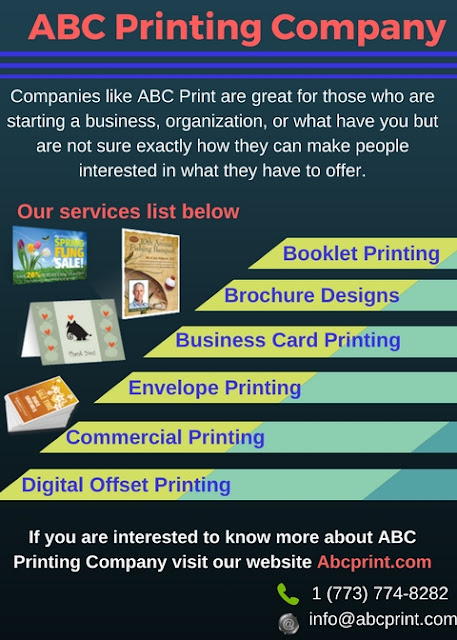
A well-designed business card can help strengthen your brand, improve networking opportunities, and support long-term business growth. If you're looking for high-quality custom business cards and professional printing services, visit ABC Printing Company and explore a wide range of printing solutions designed to help your business stand out.


Comments
Post a Comment